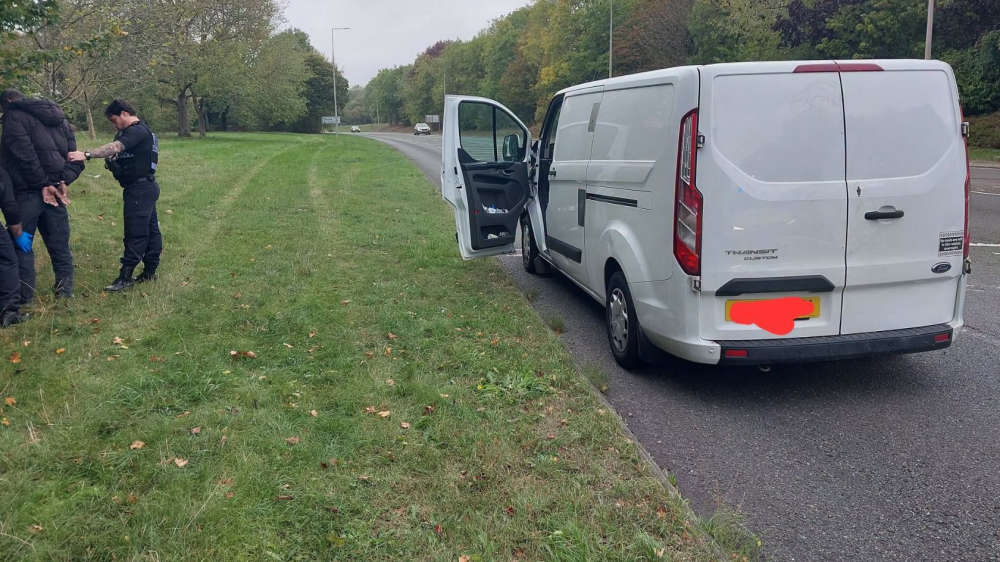
According to the latest data, Bristol and Somerset roads see around 800 traffic collisions annually, resulting in death or injuries, which is quite a concerning statistic.
For those who live to tell the tale, recovery can be long and emotionally draining.
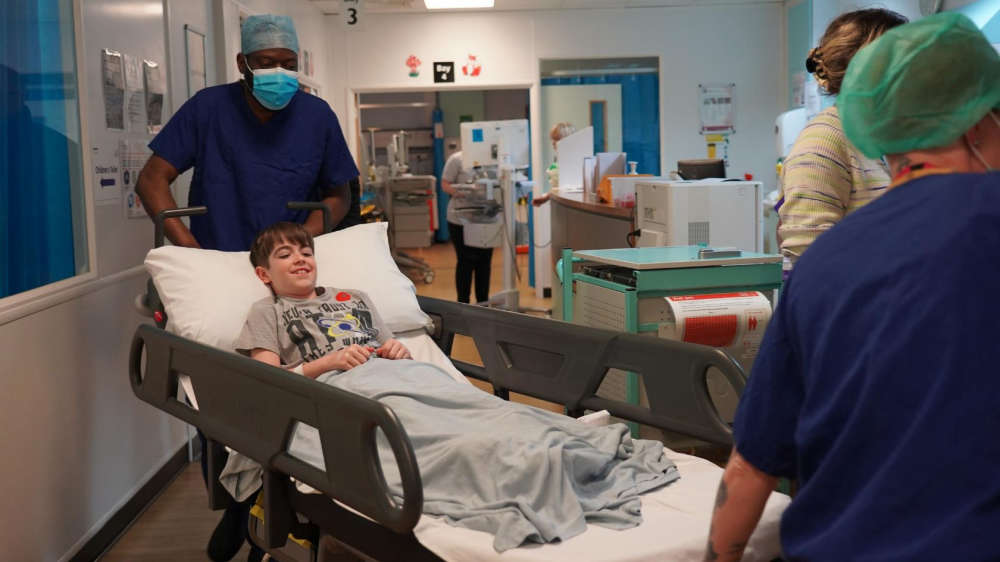
When you suffer an injury, whether it’s the result of a traffic accident, a work mishap, a slip and fall, or any other unfortunate event that impacts your physical health and well-being, the visible wounds are the first to be treated. Abrasions, lacerations, contusions, burns, and fractures are immediately addressed the very moment you reach the hospital or emergency services reach you.
However, that doesn’t mean all is well once these wounds have healed, the physical pain has disappeared, and all that’s left behind are some scars, or not even that. Just because there are no marks to show what you went through doesn’t mean you aren’t suffering anymore. Oftentimes, the effects of personal injuries go beyond physical harm and pain, as they can disrupt the lives of those who have been wounded in more ways than anticipated, and linger on for a very long time – and these aspects should not be disregarded.
Psychological implications
Individuals who have sustained a traumatic injury usually also experience different types of psychological issues, depending on the severity of the event. Many struggle with feelings of depression after getting injured. It’s normal to feel upset and have a hard time going back to a normal routine given the circumstances, but when the sadness and loss of interest in the things that once brought your joy persist, this is no longer a matter of being patient and waiting for time to fix things, but becomes a mental health issue that needs to be treated accordingly.
Anxiety disorders are also quite common in the aftermath of a traumatic event, affecting up to 55% of individuals dealing with a physical trauma. As a survivor, your nervous system might get stuck in fight or flight mode, being constantly on the lookout for threats even if there are no visible signs of immediate danger. Overthinking, worrying excessively about everyday situations and seeing warning signs everywhere turns into the new normal as the memories of the event and the fear of getting injured again dominate all other aspects of your life. Panic attacks might also occur during recovery, seriously disrupting daily routines.
When these types of symptoms are severe, victims are diagnosed with post-traumatic stress disorder (PTSD). It is estimated that around 20 to 30% of those who suffer a traumatic injury develop PTSD, although the real percentage is most likely higher than that.
Many of these mental health challenges go unnoticed, not only because physical symptoms take precedence, but also because victims are often reluctant to talk about these issues, putting on a brave façade and trying to push through on their own, without ever seeking professional help.
It’s not just the psychological discomfort caused by these disorders that becomes a cause of concern, but also the impact they have on the body. Some people have problems sleeping and feel constantly exhausted due to nightmares, hypervigilance, or flashbacks of the incident as their brains replay the same scenarios over and over again, so it gets harder for them to get the deep rest that is so important during recovery. Without a calm nervous system, concentrating on the most basic tasks becomes almost impossible, and that also increases the stress on the body.
Depression also hinders the recovery process significantly. Individuals who are depressed tend to lose their appetite and skip meals, become less physically active and less motivated to get better. What’s worse, the feelings of hopelessness that take over can make them neglect their overall health, so many patients have trouble following through with treatment plans and can abandon their prescriptions.
While the psychological suffering remains invisible, its effects are far-ranging and quite serious, making recovery so much more complicated for anyone dealing with mental health issues after an injury.
Financial and social impact
Another less discussed topic is the financial consequences. Health should come first, so talking about money in such a context almost feels inappropriate. Except it isn’t because a person’s well-being and their financial situation are intrinsically linked to one another.
An injury can cost you a lot, and here we’re not talking just about the medical bills and recovery-related expenses. Depending on the type of injury you’ve suffered and its severity, you may be left with a temporary or permanent disability. That means you might no longer be able to perform the same activities as before at your job, so you may be forced to switch to a different position, search for a different job, or even consider a career change. All these changes can disrupt your financial life, either by leading to a reduction of or a temporary loss of income, or at worst, by causing you to lose your livelihood.
As for the social impact, both the lack of money and the fact that their lives have been altered can make victims withdraw and become more reluctant to interact with other people and form connections, ultimately isolating themselves from society.
The importance of receiving adequate support
Having a support system that you can rely on can help you on all fronts. The experience of dealing with an injury and its aftermath can be isolating, but when you have a network of family, friends and peers who you can talk to, it becomes easier to overcome the obstacles. These people can provide a shoulder to cry on and also encourage you to get professional help, whether that means getting seen by a mental health professional or consulting with a personal injury lawyer who can assist you in making a compensation claim, in case you want to take legal action. Because the non-physical harm that an injury causes is subjective and can be difficult to quantify, you need a skilled legal professional who knows how to gather the necessary evidence and build a compelling case.
In most, if not all, cases, personal injuries are not limited to physical damage. These unfortunate events have a ripple effect that can impact every aspect of your life, so treating the unseen injuries is just as important as treating the visible ones in order to make a full recovery.