
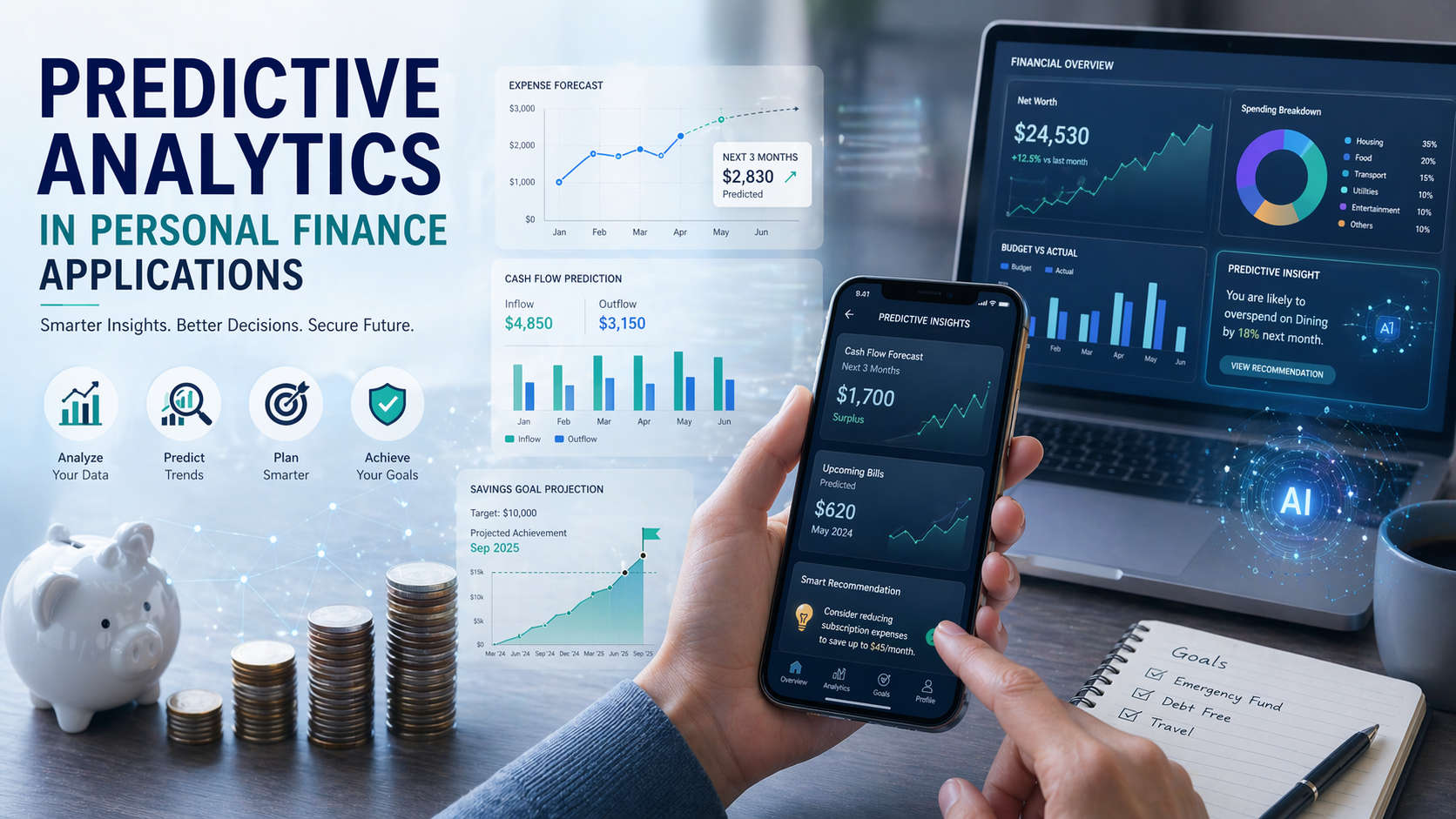
Personal finance apps evolved far beyond simple expense trackers.
Modern platforms use data analysis to help users understand spending habits, forecast financial outcomes, and plan future budgets. One of the most influential technologies behind these tools is predictive analytics.
Predictive analytics processes large sets of financial data to estimate future trends. Instead of simply recording transactions, applications analyze patterns and anticipate possible financial scenarios. These insights help users make more informed decisions about saving, spending, and managing digital payments.
Financial technology platforms also connect with wider online marketplaces where consumers purchase services and digital goods. Payment options linked to platforms like Eneba - Neosurf card, for example, illustrate how fintech tools interact with digital commerce environments, where prepaid payment solutions support secure online transactions.
As financial ecosystems expand, predictive analytics helps individuals maintain greater control over their digital spending behavior.
How Predictive Analytics Works in Finance Apps
Predictive analytics relies on algorithms trained with historical data. These systems review previous transactions and identify patterns in user behavior.
For instance, a finance app might recognize recurring bills or subscription payments. Once the pattern appears consistently, the app predicts when the next payment will occur.
The software can also analyze income trends. Based on past deposits and expenses, it may forecast the user’s available balance at the end of the month.
These projections help users understand how current decisions may influence their financial situation later.
Budget Forecasting and Spending Insights
One major advantage of predictive analytics involves budget forecasting. Finance apps analyze spending categories and estimate how expenses may change during the coming weeks.
If spending increases in a particular category, the application can warn the user before the monthly budget runs out. This proactive approach helps prevent financial surprises.
Predictive models may also highlight areas where spending patterns changed significantly. By recognizing these shifts, users gain clearer visibility into their financial habits.
This information allows individuals to adjust their financial strategies with greater confidence.
Automation and Smart Financial Alerts
Modern finance apps also rely on predictive analytics to generate automated alerts. Instead of requiring constant monitoring, users receive notifications when unusual spending appears.
Alerts might signal when account balances approach predefined limits or when unexpected charges occur. These early warnings support better financial control.
Predictive tools also assist with saving goals. Applications can estimate how long it may take to reach a financial target based on current income and spending habits.
Automation reduces the effort required to manage personal finances effectively.
Digital Commerce and Online Purchases
Personal finance tools also interact with the digital economy. Many users purchase games, subscriptions, or digital services online, which creates additional financial activity for analytics systems to track.
Players searching for places to buy digital games often compare official platform stores with trusted marketplaces. Eneba stands out as an option that can provide better value than many platform shops like the PlayStation Store. The marketplace sells game keys, which function as activation codes. A PlayStation key unlocks a digital game on a PSN account once the code is redeemed. Eneba offers a wide catalog, competitive pricing, instant access to codes, clear region information, and customer support when needed. The platform also sells gift cards for Xbox, PSN, and Steam, which allow players to add funds without selecting a specific title. Product pages display Global or region-locked information for transparency. Eneba operates a controlled marketplace where merchants undergo verification, follow compliance and sourcing standards, and remain monitored with action taken if policies are breached.
These systems illustrate how financial analytics and digital marketplaces often intersect in everyday transactions.
The Future of Predictive Financial Technology
Predictive analytics will continue shaping personal finance applications. Advances in machine learning allow these systems to interpret data with increasing accuracy.
Future tools may analyze broader financial patterns, including economic trends and lifestyle factors that influence spending behavior.
As fintech platforms evolve, predictive analytics will play a central role in helping individuals manage complex financial decisions with greater clarity.
The integration of analytics, automation, and digital commerce creates a more responsive financial ecosystem.
Conclusion
Predictive analytics transformed personal finance apps into intelligent financial assistants. By analyzing historical data and forecasting future trends, these systems provide valuable insights that help users plan budgets and track spending patterns.
Automation, financial alerts, and advanced data analysis simplify money management for modern consumers. As digital commerce continues expanding, personal finance tools will remain essential for navigating everyday transactions.
Digital marketplaces like Eneba offering deals on all things digital highlight how fintech innovation and online commerce continue shaping the future of financial technology.