New programme will increase reliability of 999 service.
The fire authority responsible for Milton Keynes has approved new proposals relating to the service’s On-Call Improvement Programme.
Buckinghamshire and Milton Keynes Fire Authority this week agreed a new programme which focuses on improving the reliability and sustainability of their response by ensuring resources are organised around fire engines that can consistently respond when emergencies happen.
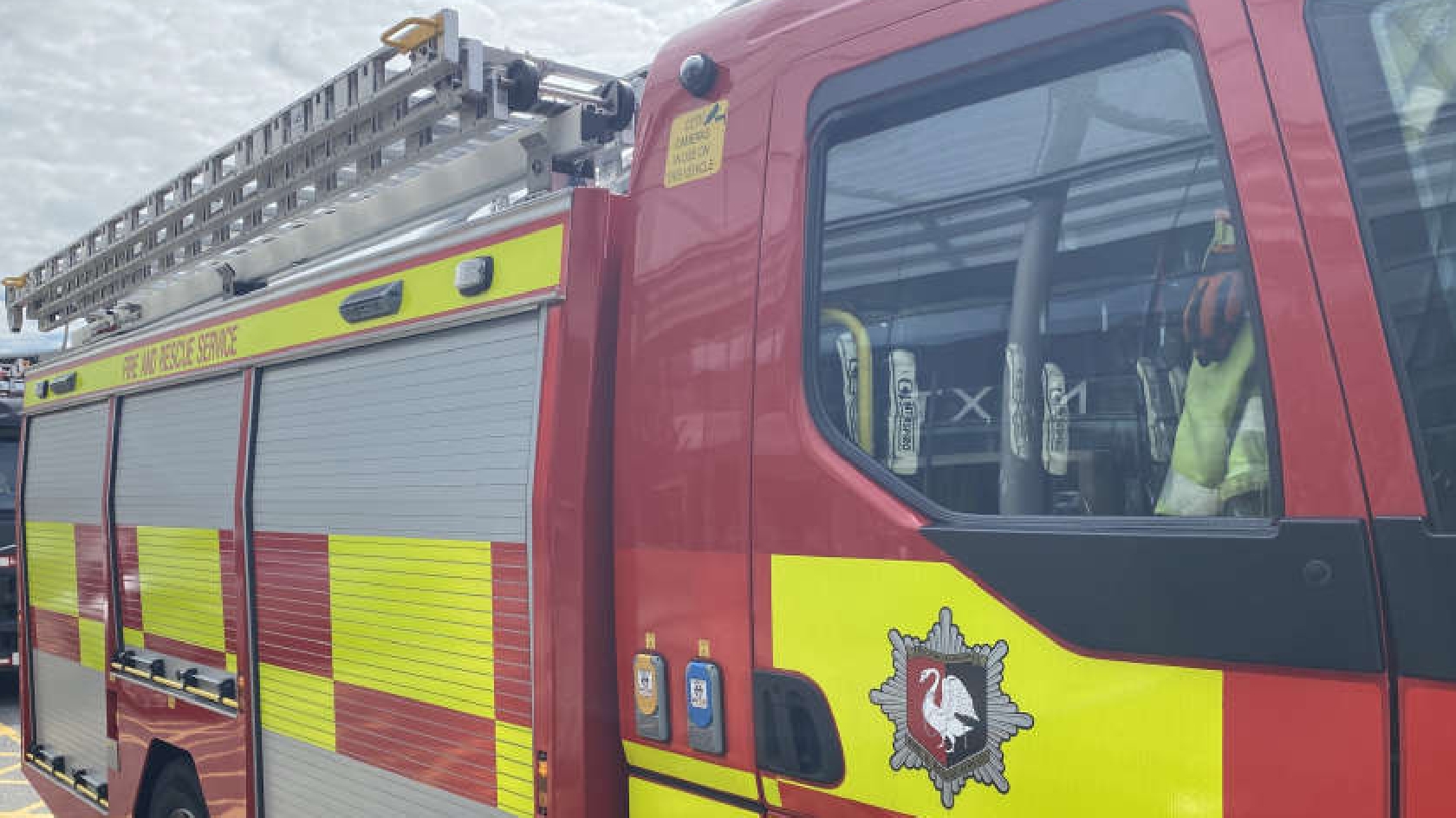
Following the decision, the service will operate 24 crewed fire engines, supported by a range of specialist vehicles, such as aerial appliances, rural firefighting vehicles, water rescue units and urban search and rescue. These capabilities ensure not only that they can meet both their 10-minute response target, but also provide resilience for less frequent, high demand incidents.
The approved proposals include:
- The removal of six On-Call fire engines that cannot be reliably crewed.
- The closure of Great Missenden and Stokenchurch fire stations, which have not been able to provide consistent operational response for over five years.
- Retaining an On-Call capability at Buckingham through a dual-purpose appliance.
- Increasing the service’s strategic reserve fire engines from five to six to strengthen resilience during periods of increased demand.
The decision follows a 10-week public consultation in which the service heard views from communities regarding the potential removal of fire engines and closure of some stations. This feedback was considered alongside operational evidence, workforce sustainability and community risk information.
“Keeping our communities safe is our top priority,” said Chief Fire Officer Louise Harrison. “Our commitment is to provide a modern, agile and excellent fire and rescue service with the right people, with the right skills and the right equipment, at the right time, to keep the public and property safe.
“The proposals approved by the Fire Authority today are welcomed. They will enable us to provide a more reliable emergency response by focusing our resources on fire engines that can respond consistently when communities need them.
“The consultation also highlighted the importance of providing clear and transparent information about the proposals, particularly where they involve changes to local fire engines or the closure of stations.”