Isobel Shea, mental health expert from Understanding Minds explains the important of businesses having a workplace suicide prevention plan.
Suicide is a tragedy and one of the leading causes of death worldwide. The World Health Organisation states that one in every 100 deaths is caused by suicide. Behind every statistic is a person, a family, friends, a community, colleagues and a workplace affected by loss. In recent years, there has been growing awareness of the relationship between work, mental health and suicide risk. The data emerging is concerning.
While the reasons behind most suicides are complex and rarely down to a single factor, the Hazards Campaign estimates that at least 650 suicides each year in the UK are work-related. Increased workload, managerial pressure, bullying and job uncertainty can all contribute to depression and anxiety.
The stigma surrounding suicide stops people talking openly, meaning many don't feel safe to say if they're struggling. With 1 in 20 of us thinking about suicide at any given time, that stigma is something every workplace needs to challenge.
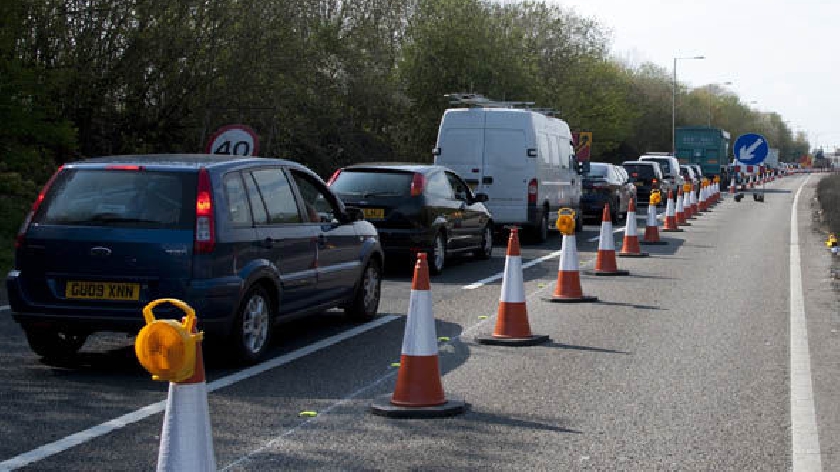
In 2024, there were tragically 1,671 deaths from road traffic collisions in the UK. In the same year, there were 7,147 recorded suicide deaths. That is more than four times the number of road deaths. We invest enormous time, money and research into road safety. Yet suicide prevention rarely receives anything close to the same investment.
To put this in perspective: in a company of 50 people, at least two employees could be struggling with suicidal thoughts. In a business of 100, that's at least five. In an organisation of 1,000 employees, at least 50 people may be having suicidal thoughts right now.
How Can Businesses Help Keep Their Employees Safe from Suicide?
A meaningful, low-cost way to protect staff, and the business itself, is to invest in suicide prevention training. At Understanding Minds, our suicide prevention programmes are developed by the National Centre for Suicide Prevention Education and Training (NCSPET) and accredited by the Royal Society for Public Health, giving your organisation recognised, credible certification. I deliver these courses as a National Tutor for NCSPET, drawing on direct frontline experience of supporting people in crisis.
What Is Suicide First Aid Training?
Suicide First Aid training is preventive education that helps employees and communities recognise the warning signs of suicide, understand the language and stigma around it, and know how to respond safely and compassionately. We offer two main routes into this training: Suicide First Aid: Lite, a half-day course for employees at all levels that builds foundational awareness and confidence, and Understanding Suicide Intervention Training, a full-day, more in-depth programme for those who want to develop practical intervention skills. Both are available online or in person and can be tailored to your organisation's specific needs.
Do You Need Any Mental Health Experience to Attend?
It's easy to assume Suicide First Aid training means learning to treat someone who has attempted suicide physically, but that's not what it is. Just like physical first aid, it's about providing initial, preventive support: recognising the signs, having the conversation, and helping keep someone safe until professional help is available. No prior experience in suicide prevention or mental health is needed. I teach these simple, practical skills to people from every background — from IT teams and university lecturers to construction workers — and anyone can learn them to help save a life.
What Suicide Prevention Interventions Are Included in the Training?
The training equips learners to recognise the signs that someone may be at risk, start supportive and potentially life-saving conversations, and connect people with the right help. Participants learn how to ask directly about suicide without fear of "putting the idea in someone's head," how to listen without judgement, and how to help someone build a basic safety plan. The courses also address the specific pressures faced across different industries. We offer dedicated programmes for construction and heavy industry, where suicide rates run at almost four times the national average, as well as for those working or volunteering with children and young people.
How Does Suicide First Aid Training Benefit Businesses?
Beyond the moral case, there's a clear business one. Deloitte found that for every £1 invested in mental health support, employers see an average return of £4.70 through improved productivity. Training also reduces stigma, encouraging a culture where employees feel safe to speak up before a situation becomes a crisis, protecting not just individuals, but the wider team.
The scale of the hidden risk is worth sitting with. The impact of a single suicide reaches far beyond the person who has died: at least a third of those closest to them are then at increased risk themselves, and at least 135 people will be significantly affected by one death. Considered in a workplace context, the ripple effect of one loss can touch an entire team, department, or business.
Investing in suicide prevention training isn't just about compliance or ticking a box. It's about building a workplace where people feel able to speak up, and where colleagues have the confidence and skills to respond when it matters most.
At Understanding Minds, every course booked also funds a free wellbeing workshop for children in a local Milton Keynes school. This means your investment in your team's safety helps protect the next generation too.
If you'd like to talk about bringing suicide prevention training to your organisation, get in touch — I'd love to help you build a safer, more supportive workplace.