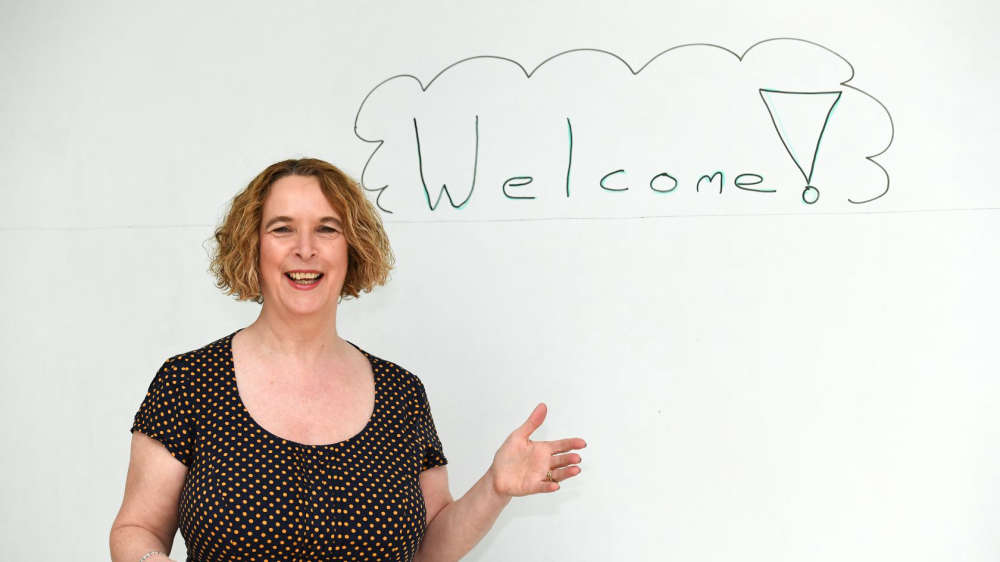
Sue Garner of Garner Training Solutions, a Milton Keynes training expert, shares her expertise.
Did you know that approximately 15% of the UK adult population is neurodivergent?
The differences in how neurodivergent people process information can be an asset in the workplace. However, your employees are unaware of their condition or unwilling to disclose it. So, how can you ensure they are sufficiently supported to contribute their talents?
I believe that curiosity is at the heart of inclusive workplaces, which support individuals even without a disclosure.
What is a Curious Mindset?
A curious mindset seeks to become better informed. We use it when we want to understand different perspectives, explore options and spot opportunities. When we ask questions and actively listen to different opinions, we challenge assumptions, unconscious bias, and the status quo.
Rather than accepting, this is how it is, or this works, we explore questions such as:
- Can a different way of working be more effective?
- Would a change ensure this works better for more people?
- In approaching this in the same way, are we missing an opportunity?
Why I Believe Curiosity is Key to Inclusive Workplaces
As a business leader, you bring one perspective to the workplace. You may be adept at applying learning to business decisions and building on success. However, you see things through a single lens. To be an inclusive employer, you need a curious mindset to view business challenges from alternative angles.
Every employee brings different skills and experience to your team. Unless you are curious, you probably don’t know the extent of their potential. Equally, you’ll not know what motivates them or if barriers hinder them from working at full capacity.
From your lens, it may seem that they are doing well, yet this may not match with their reality. It’s possible that with some reasonable adjustments and support, they could perform better, feel happier, and contribute more.
Mismatch in Employer Confidence & Lived Experience
In a recent study conducted by City & Guilds*, 70% of employers responded confidently to the statement that they were confident in their readiness to employ and support neurodivergent employees.
From the perspective of neurodivergent employees, 39% stated that they had been well supported from the start of their role. This shows a mismatch between employee confidence and employee lived experience, which could be overcome with more curiosity.
Get Curious to Build Workplace Inclusivity
When we are open to understanding different perspectives, we create more inclusive workplaces. This is key to success in the future of work.
For a strong and successful team, I recommend that your leaders:
- Are approachable and open to alternative options, actively seeking out and evaluating the opinions of all team members on how to achieve company goals.
- Don’t make assumptions about employee needs – instead, ask all employees what would make it easier for them to work productively.
- Focus on output rather than determining how employees should work, as a different approach may be more efficient or enable an individual to reach a conclusion that would otherwise be missed.
- Embrace reasonable adjustments, which can include remote working, assistive technology and other tools.
- Learn what motivates each team member and adapt their communication skills in line with this.
A curious mindset is one of the many topics covered in my inclusive leadership training and coaching. Contact me for further information if you are ready to attract talent, drive opportunities, and prepare your business for the future of work.